

تصحيح الأخطاء
التصحيح الكمي للأخطاء الكمية
معالجة فقدان التماسك ودقة النظام
في حين أن الهندسة الكمومية توفر إمكانية معالجة متغيرات بالغة التعقيد بشكل أصلي، فإن الكيوبتات المادية معرضة بطبيعتها للضوضاء البيئية وفقدان التماسك.
يُعد تصحيح الأخطاء الكمومية (QEC)متطلبًا أساسيًّا للتوسع نحو الاستخدام التجاري على نطاق واسع. تستفيد Pasqal من التماثل الفطري للذرات المحايدة لتصميم مسارات لتصحيح الأخطاء بشكل فعال، بهدف تحقيق استقرار الحالات الكمومية. وكجزء من roadmapنا للحوسبة الكمومية المقاومة للأعطال (FTQC)، نقوم بتصميم أنظمة للحد من الضوضاء ونسعى إلى الحفاظ على التماسك الكمومي على نطاق واسع.

انحلال التماسك ودقة التشغيل
تواجه أنظمة الكم الحالية ذات النطاق المتوسط والمصاحبة بالضوضاء (NISQ) معدلات أعطال أعلى مقارنة بالمعالجات الكلاسيكية، وذلك بسبب الحساسية الشديدة للحالات الكمومية.
يتطلب التوسع نحو الجدوى الصناعية بنى منهجية قادرة على تنفيذ عمليات حسابية معقدة قائمة على البوابات المنطقية، مع دقة تصل إلى ما يزيد عن 99.9٪.
1000 عملية، خطأ واحد

مصادر الضوضاء الكمومية
يتطلب تطوير بنية قادرة على تحمل الأعطال التخفيف من آثار بعض الاضطرابات التشغيلية والبيئية:
التحكم في العيوب
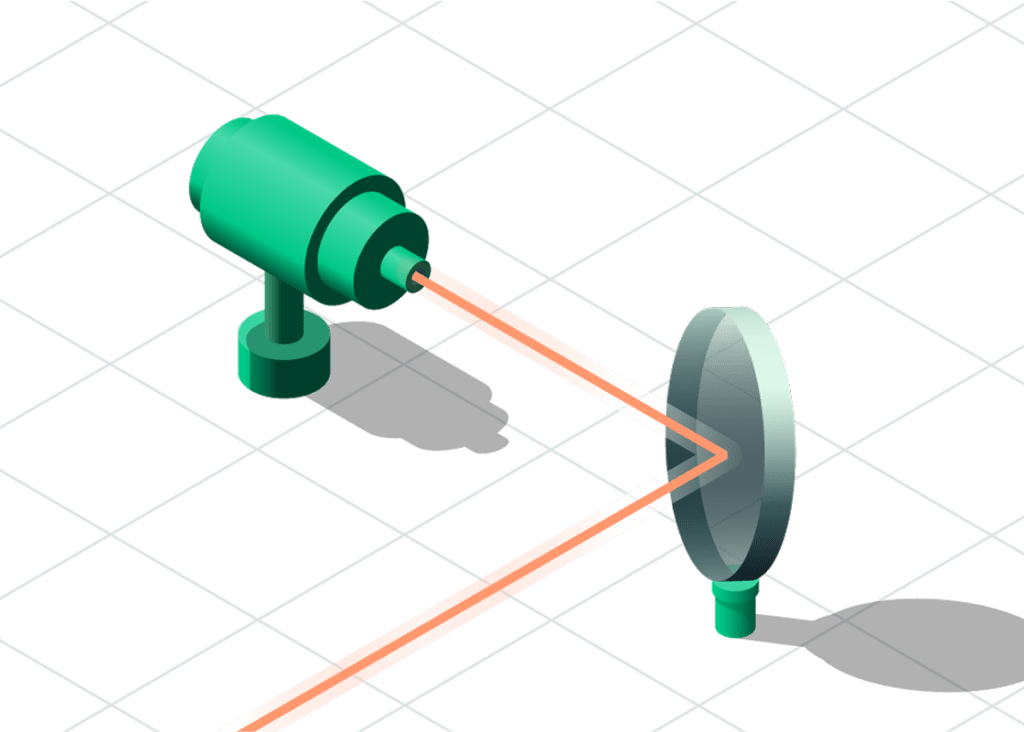
الاختلافات في أنظمة التحكم البصرية والتوجيه بالليزر.

التداخل البيئي
انحلال التماسك الناتج عن التقلبات الحرارية أو الضوضاء الكهرومغناطيسية.

هشاشة الدولة
عدم الاستقرار المتأصل في الحفاظ على حالات التراكب والتشابك خلال فترات تماسك طويلة.
صياغة عصر الأنظمة المقاومة للأعطال
تنفذ شركة «باسكال» roadmap مرحلية roadmap من التحكم المادي التناظري إلى التحكم الكمي الكامل (FTQC)، وتستهدف نشر أكثر من 200 كيوبت منطقي بحلول عام 2029.

أجهزة أفضل

تحكم أفضل في العوامل الخارجية

قياس المتلازمة الديناميكية
اكتشف كيف roadmap تصميم roadmap الخاصة بالحوسبة الكمومية المقاومة للأعطال (FTQC) بهدف التخفيف الفعال من الضوضاء والتوسع نحو تحقيق نتائج حسابية عالية الموثوقية.