
우리의 역사
파스칼(Pasqal)은 2019년 광학 연구소(Institut d’Optique)의 분사 기업으로 설립되었으며, 양자 물리학의 선구자 알랭 아스펙(Alain Aspect)이 주도한 중성 원자 양자 컴퓨팅 분야의 획기적인 연구를 바탕으로 탄생했습니다.
우리는 기초 연구에서 상용화 단계에 이르기까지 중성자 원자 양자 프로세서를 개발하고 있습니다. 현재 Pasqal은 금융, 에너지, 첨단 소재 분야의 선도 기업들과 협력하여 기존 고성능 컴퓨팅(HPC) 시스템 내의 복잡한 계산 병목 현상을 해결하고 있습니다.
역사
주요 단계
1982
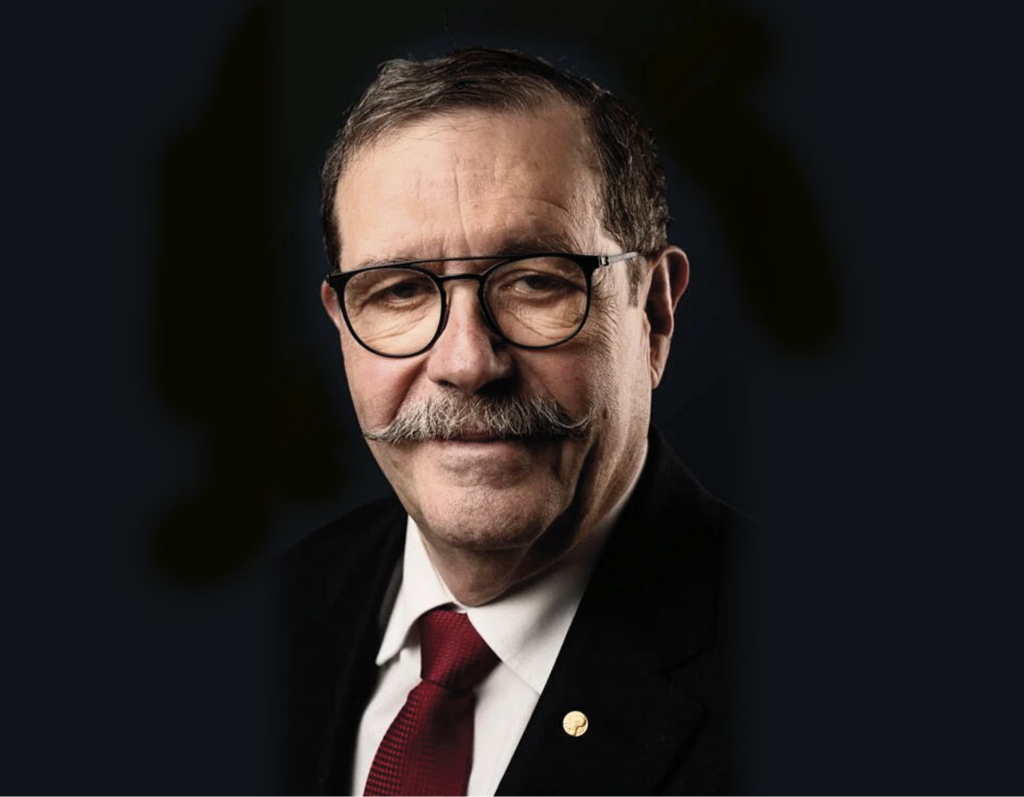
알랭 아스펙트 실험
벨 부등식의 위반을 입증한 최초의 양자역학 실험
2001
단일 원자 정밀도
G. 레이몬드는 광학 핀셋을 이용해 단일 원자를 정밀하게 포획하는 데 성공했으며, 이 연구 결과는 『네이처(Nature)』에 게재되었다. 이 기술적 성과는 개별 양자 입자에 대한 정밀한 제어 능력을 입증했으며, 파스칼(Pasqal)이 중성 원자 배열을 큐비트로 조작할 수 있게 해주는 기초 기술을 확립했다.
2009
리드베리 봉쇄 돌파
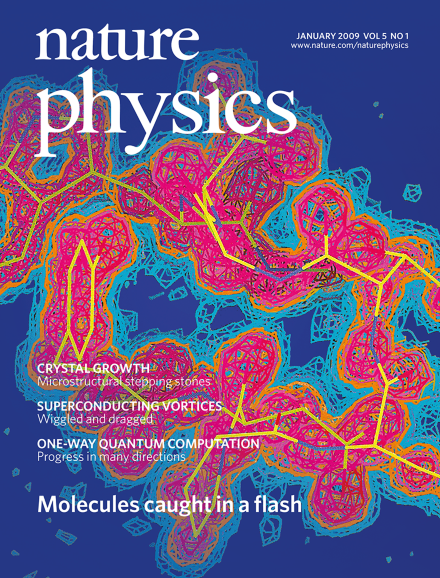
앙투안 브로와이는 개별 원자 간 최초의 리드베리 차단 효과를 입증했다. 이 현상은 인접한 원자들이 동시에 여기 상태로 진입하는 것을 방지한다. 네이처 피직스에 게재된 이 발견은 중성 원자 간 양자 게이트를 생성하는 핵심 메커니즘을 제공함으로써 양자 정보 처리의 새로운 가능성을 열었다.
2016
30큐비트 양자 시뮬레이션
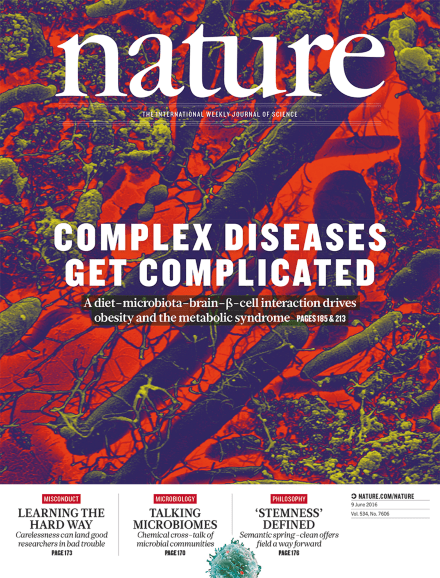
티에리 라헤와 앙투안 브로웨는 중성 원자를 이용해 30 큐비트 규모의 양자 시뮬레이션을 성공적으로 수행했으며, 이 연구 결과는 『네이처(Nature)』에 게재되었다. 이번 실험은 중성 원자 플랫폼의 본질적인 확장성을 입증했으며, 해당 아키텍처의 코히어런스 및 제어 능력을 조기에 검증해 주었다.
2018
3D 양자 아키텍처
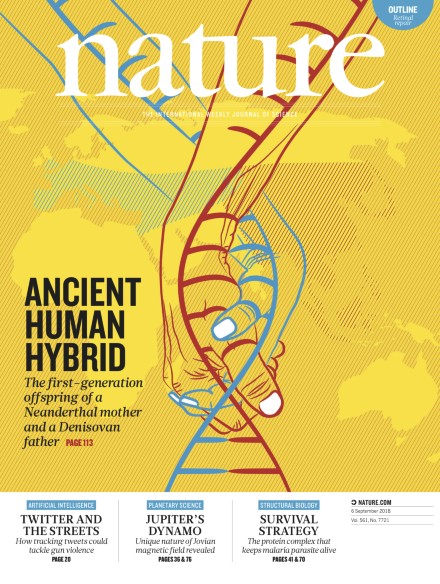
라헤이와 브로웨이스가 이끄는 연구팀은 3차원 구조에서 49개의 큐비트와 72개의 원자를 활용한 시뮬레이션으로 한계를 돌파했다. 네이처와 피지컬 리뷰 X에 게재된 이 성과는 중성 원자 시스템의 독특한 확장성과 3차원 공간에서 복잡한 양자 모델을 구현할 수 있는 능력을 입증했으며, 이는 이후 파스칼의 기술 구현을 가능케 한 원리였다.
2019
파스칼의 시작
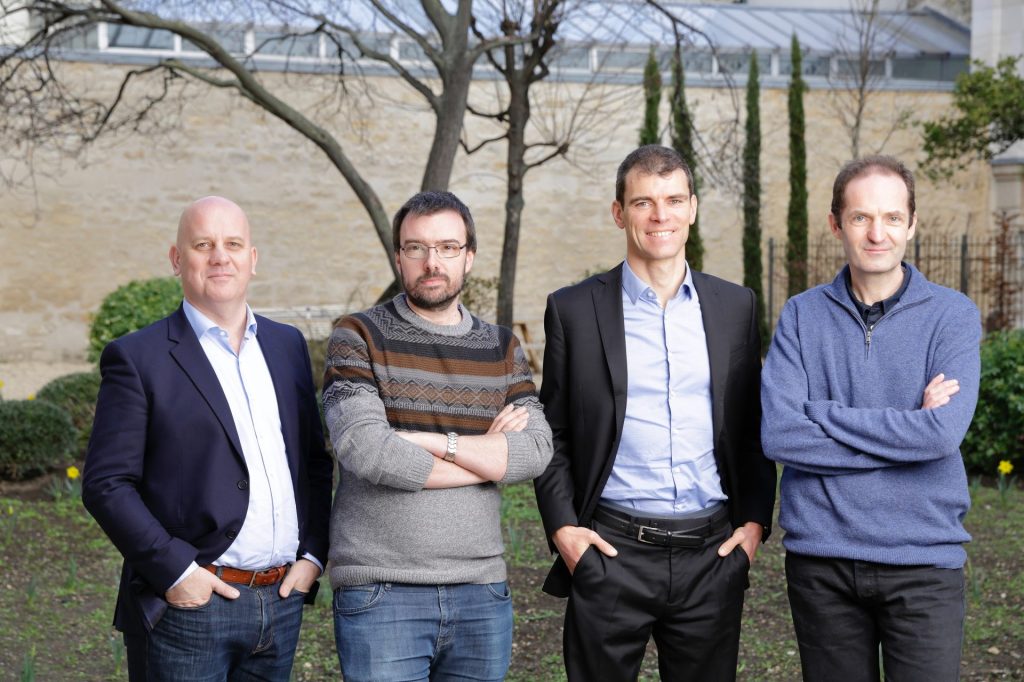
티에리 라헤, 앙투안 브로웨, 조르주-올리비에 레이몽, 크리스토프 주르자크는 상용급 양자 컴퓨팅 솔루션을 개발하기 위해 파스칼(Pasqal)을 설립했습니다. 이 회사는 산업 전반에 걸쳐 발생하는 복잡한 계산 병목 현상을 파악하고 이를 극복하도록 설계된 중성 원자 양자 프로세서를 개발한다는 사명을 내걸고 출범했습니다.
2021
파스칼의 시작
이 연구팀은 학술지 『네이처(Nature)』에 논문을 게재하며 확장 가능한 양자 시뮬레이션을 입증했다. 이 획기적인 성과는 중성 원자 아키텍처의 확장성을 입증했으며, 파스칼(Pasqal)이 현재 상용급 100큐비트 이상 시스템을 구축하는 데 중요한 발판이 되었다.