

l'industrie
Énergie et services publics
Optimisation des objectifs, gestion des ressources et modélisation d'infrastructures durables.Des architectures quantiques sont actuellement intégrées afin d'évaluer les processus de distribution et d'économie d'énergie, ainsi que la stabilisation du réseau.

EDF
EDF s'est associé à Pasqal pour étudier des solutions d'informatique quantique destinées à pallier les limites des architectures classiques, en ciblant plus particulièrement les difficultés liées à la prévision et à l'optimisation de la demande énergétique.

Pasqal soutient le développement durable

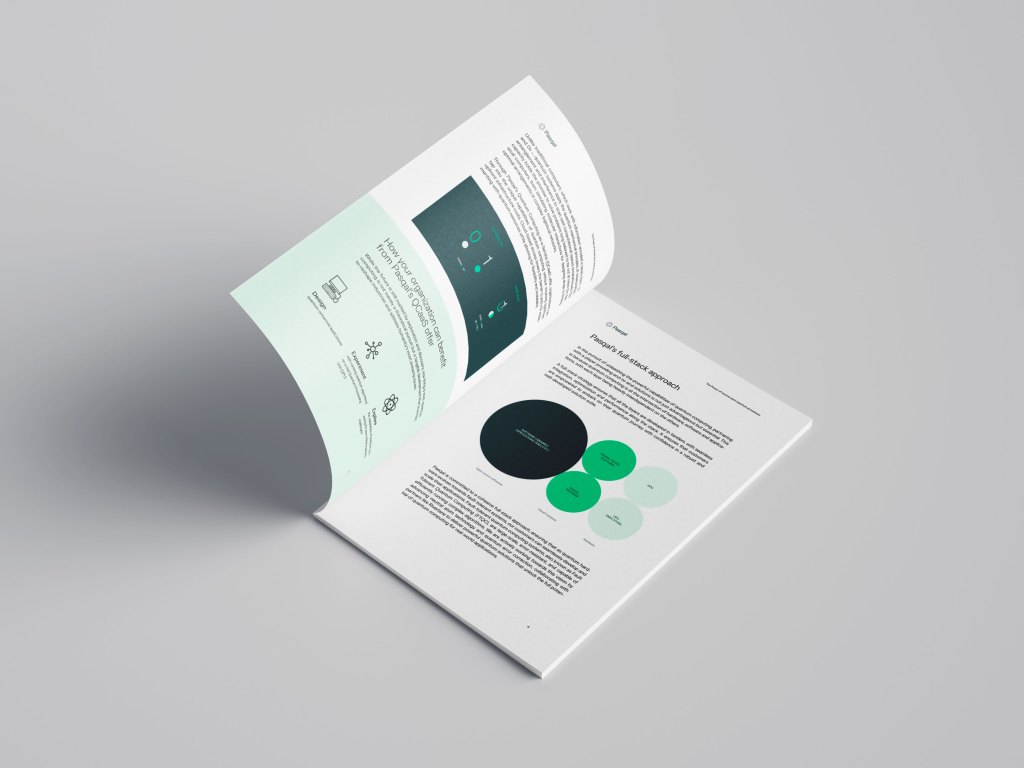
Infographie Quantum for Energy
Faire évoluer les charges de travail informatiques grâce à une infrastructure hybride
- EDF
- Systèmes de gestion de l'énergie
- Développement de matériaux avancés
- Innovation renouvelable et durable
- Quantum pour l'énergie et les services publics
- Comment l'informatique quantique peut-elle optimiser les systèmes énergétiques ?
- Quels défis énergétiques les ordinateurs quantiques de Pasqal peuvent-ils relever ?
- Comment l'informatique quantique favorise-t-elle l'intégration des énergies renouvelables ?
- L'informatique quantique peut-elle réduire les coûts énergétiques ?
- Pourquoi l'informatique quantique est-elle importante pour la transition énergétique ?
Quantum pour l'énergie et les services publics
Comment l'informatique quantique peut-elle optimiser les systèmes énergétiques ?
Des architectures quantiques hybrides sont actuellement mises au point pour évaluer les paramètres d'optimisation des réseaux, prévoir la demande et gérer le stockage d'énergie. Cette technologie vise à modéliser l'énorme complexité combinatoire des systèmes énergétiques modernes, notamment la production décentralisée et la consommation dynamique.
Quels défis énergétiques les ordinateurs quantiques de Pasqal peuvent-ils relever ?
Les principales applications comprennent l'équilibrage de la charge du réseau électrique, la prévision de la production d'énergie renouvelable, l'optimisation du commerce de l'énergie, la planification du réseau de transport, la programmation du stockage des batteries, la gestion des réseaux intelligents et la minimisation de l'empreinte carbone. Ces problèmes impliquent une optimisation complexe avec de nombreuses contraintes qui bénéficient des approches quantiques.
Comment l'informatique quantique favorise-t-elle l'intégration des énergies renouvelables ?
Les solveurs quantiques sont actuellement à l'étude afin de modéliser le caractère intermittent des sources d'énergie renouvelables, de simuler la coordination du stockage d'énergie et d'évaluer les paramètres de l'offre et de la demande. Cela implique notamment d'étudier les variables d'implantation optimales pour les nouvelles installations renouvelables au sein de réseaux électriques complexes.
L'informatique quantique peut-elle réduire les coûts énergétiques ?
Oui, en optimisant la répartition de la production, en réduisant les pertes de transmission, en améliorant les programmes de réponse à la demande, en optimisant la planification de la maintenance préventive et en mettant en place des stratégies de négoce d'énergie plus efficaces. Même de faibles améliorations en pourcentage de l'efficacité du réseau peuvent se traduire par des économies significatives à l'échelle des services publics.
Pourquoi l'informatique quantique est-elle importante pour la transition énergétique ?
La transition vers les énergies durables s'accompagne d'une complexité combinatoire sans précédent, impliquant des millions de ressources énergétiques décentralisées et des exigences d'équilibrage en temps réel. Des architectures quantiques sont actuellement mises au point pour s'attaquer à ces goulots d'étranglement informatiques spécifiques, dans le but de gérer cette complexité plus efficacement que ne le permettent les limites des systèmes classiques.